If you’ve ever stood in front of a skincare shelf confused between “for oily skin” and “for dry skin,” you’re not alone. One of the biggest skincare mistakes beginners make is using products without knowing their actual skin type.
Before investing in moisturizers, serums or sunscreens, it’s important to understand your skin. The good news? You don’t need expensive tools or dermatologist visits to do that. A simple blot test can help you identify your skin type at home.
Why Knowing Your Skin Type Matters
Your skin type decides how your skin reacts to products. Using the wrong products can lead to breakouts, irritation, dullness or dryness. For example:
- Heavy creams can clog oily skin
- Strong actives can irritate dry or sensitive skin
- Wrong formulations may make combination skin worse
Knowing your skin type helps you choose products that actually work with your skin, not against it.
What Is the Blot Test?
The blot test is a quick and easy method to understand how much oil your skin naturally produces. It gives you a clear idea whether your skin is oily, dry, combination or normal.
This test works best when your skin is clean and free from products.
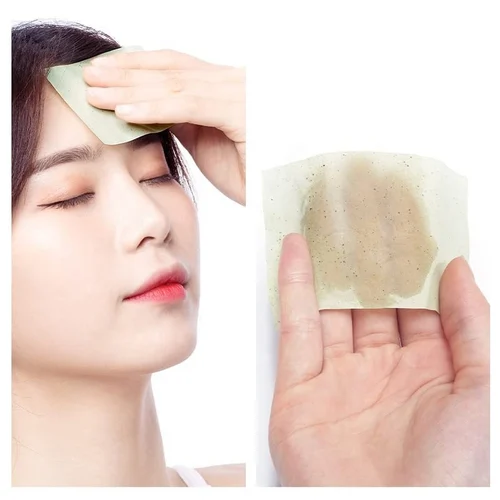
How to Do the Blot Test at Home
Follow these simple steps:
- Wash your face with a gentle cleanser
- Do not apply any skincare or makeup
- Wait for about 30–60 minutes
- Take a clean tissue paper or blotting paper
- Gently press it on different areas of your face — forehead, nose, cheeks and chin
Now observe the tissue carefully.
How to Read Your Blot Test Results
Oily Skin
If the tissue shows oil from most areas of your face, especially the T-zone and cheeks, you likely have oily skin. This skin type tends to look shiny and is more prone to breakouts.
Dry Skin
If there is little to no oil on the tissue and your skin feels tight or rough, your skin type is dry. Dry skin often needs extra hydration and gentle products.
Combination Skin
If the tissue shows oil mainly from the nose and forehead but remains mostly dry on the cheeks, you have combination skin. This is one of the most common skin types.
Normal Skin
If there is minimal oil and your skin feels comfortable and balanced, you likely have normal skin. This skin type is neither too oily nor too dry.
Common Mistakes to Avoid
- Doing the blot test right after washing your face
- Using skincare products before the test
- Confusing dehydration with dry skin
- Relying only on how your skin feels in one season
Skin type can slightly change with weather, hormones and lifestyle, so reassess it from time to time.
What to Do After Identifying Your Skin Type
Once you know your skin type, choosing the right skincare becomes much easier. You can:
- Pick moisturizers suited to your skin
- Choose sunscreens that feel comfortable
- Use serums that target your skin’s needs
This step is the foundation of a healthy skincare routine.
Watch the Video Tutorial
I’ve explained the blot test step-by-step in my video for better clarity. You can watch it here and follow along at home.
Understanding your skin is the first step toward glowing, healthy skin. Keep it simple, stay consistent, and let your skin guide your choices.
For more beginner-friendly skincare tips, explore my Skincare for Beginners series on Review With Jasleen 💜
Read More from Review With Jasleen
If you’re just starting your skincare journey, these beginner-friendly guides will help you build a safe and effective routine:
• Exfoliation: The Secret to Smooth, Glowing Skin
• Sunscreen 101 — A Beginner’s Complete Guide
• Lipoils 101 — The ultimate guide
• Face Serums 101 — A Beginner’s Complete Guide
For more honest skincare education, explore the Skincare for Beginners series and learn how to care for your skin the right way 💜
Leave a Reply